A Contractor’s Guide to Soil Disposal Regulations in Toronto


  • Home
  • Blog
  • A Contractor’s Guide to Soil Disposal Regulations in Toronto
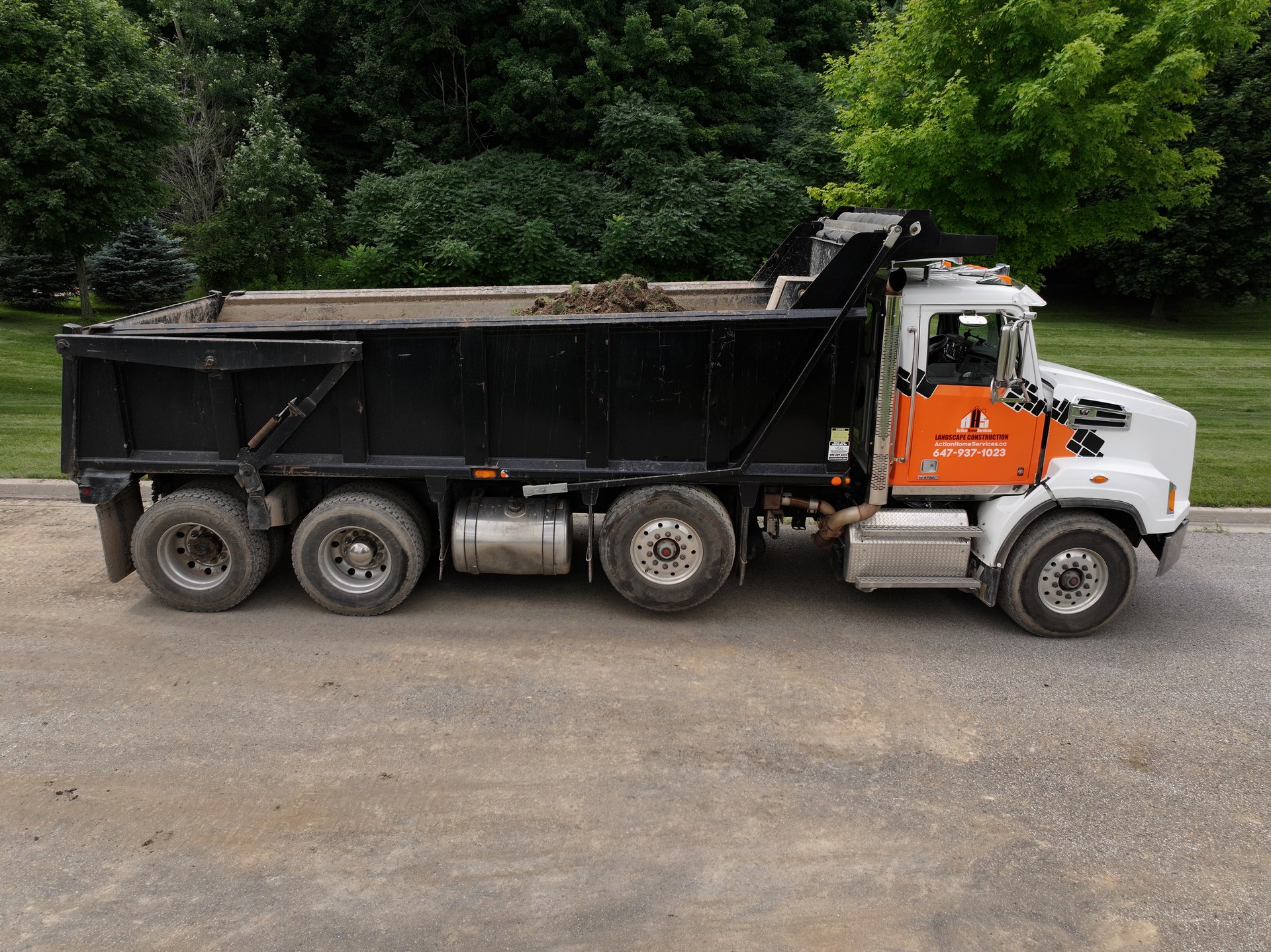
Bins Toronto tri-axle dump truck loaded with soil for contractor disposal in Toronto

May 18, 2026


If you’re a contractor working in Toronto, mishandling soil removal can cost you thousands in fines – and that’s before factoring in project delays and remediation work. Ontario tightened its rules on excess soil movement back in 2021, and enforcement has only increased since. This guide breaks down what you actually need to know: the rules, the classifications, where soil can legally go, and how to handle logistics on a real job site.

Handling excess soil in Toronto requires strict adherence to Ontario’s O. Reg. 406/19. Contractors must properly test, classify (Category 1 to Hazardous), and track soil before transporting it to an approved reuse site or facility. Using a professional bin rental service simplifies compliance and logistics for most residential and commercial excavations.

Why Soil Disposal Regulations Matter in Toronto

Soil isn’t treated as neutral material anymore. Contaminated soil from construction or excavation sites can carry hydrocarbons, heavy metals, or other substances that the province doesn’t want spreading to clean land. Toronto also has a large number of brownfield sites – former industrial properties being redeveloped – where soil testing is mandatory before any movement happens.

Failing to comply with Ontario’s excess soil rules can result in stop-work orders, fines from the Ministry of the Environment, Conservation and Parks (MECP), and personal liability for contractors and site owners. The city itself layers on additional permit requirements for street-level soil removal in some cases.
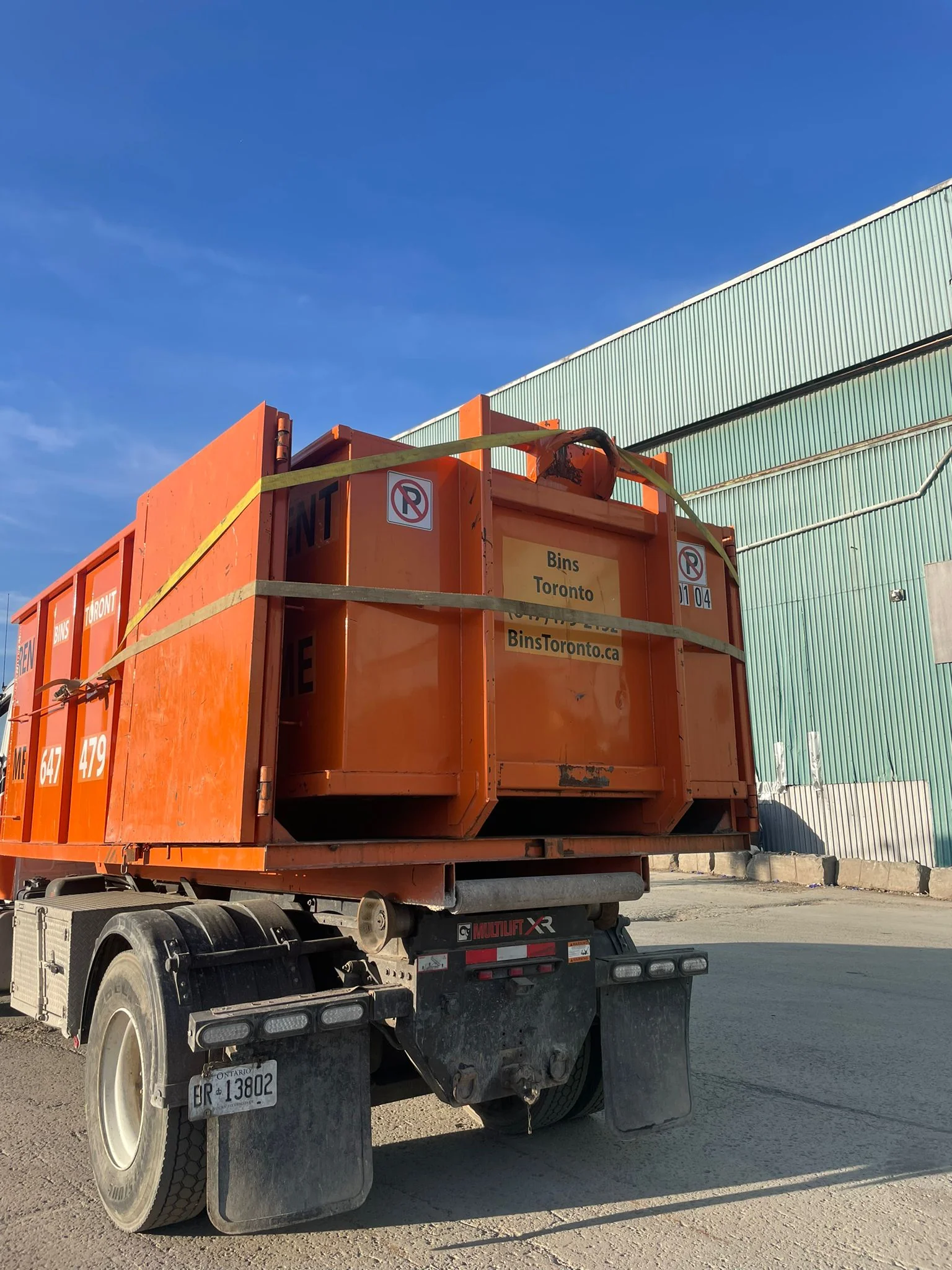
A Contractor’s Guide to Soil Disposal Regulations in Toronto

Types of Soil and How They Are Classified

Ontario uses a tiered classification system for excess soil based on contamination levels. Understanding these tiers determines where your soil can go:

  • Category 1 (Clean): Meets the most stringent standards. Can go to most receiving sites including agricultural land, parkland, and residential areas.
  • Category 2: Has slightly elevated contamination levels. Acceptable for industrial and commercial applications but not residential.
  • Category 3 / Site-specific standard soil: Must go to a licensed receiving site that accepts that contamination profile.
  • Hazardous soil: Requires a licensed hazardous waste carrier and disposal at a certified facility. This is not standard bin rental territory.

Before soil leaves your site, you need to know which category applies. That means sampling and testing in most cases – especially on brownfield or industrial sites.

Ontario’s Excess Soil Regulation (O. Reg. 406/19)

Ontario Regulation 406/19 under the Environmental Protection Act is the governing framework. It came into full force in 2022 and applies to most excavation and construction projects that generate excess soil. Key requirements include:

  • Qualified Person (QP): Projects over a certain threshold require a QP (typically a geoscientist or engineer) to oversee soil assessment and documentation.
  • Excess Soil Management Plan (ESMP): Required for larger projects. Documents what soil is being moved, where it’s going, and how it’s been assessed.
  • Registry: Soil movement must often be registered in the provincial Excess Soil Registry before transport begins.
  • Record Keeping: Retain documentation for at least five years.

Small projects under specific size thresholds may have reduced requirements, but “small” is defined narrowly. When in doubt, consult the MECP guidelines directly or retain a QP for an assessment.

Approved Reuse Sites and Where Soil Can Go

Category 1 clean soil is the easiest to place – it’s accepted at most fill operations, landscaping projects, and reuse sites registered with the province. The challenge is finding a receiving site that’s registered and currently accepting material in your category.

Options include:

  • City of Toronto-approved fill sites (limited and often backlogged)
  • Private licensed receiving facilities outside the city
  • Other active construction projects that need fill
  • Registered agricultural or low-risk reuse sites

Your bin rental or hauling provider may have relationships with receiving sites – ask upfront. Bins Toronto works with licensed haulers who track approved receiving locations actively. If soil has any contamination, the receiving site must match the soil’s category, and that needs to be documented before transport.

Contractor Checklist: What to Do Before Moving Soil

  1. Determine if your project meets the threshold requiring a QP and ESMP.
  2. Sample and test soil if there’s any contamination risk (brownfield, industrial site, near a spill area).
  3. Classify soil by category based on test results.
  4. Identify an approved receiving site that accepts your soil category.
  5. Register the soil movement in the provincial registry if required.
  6. Retain a licensed carrier – ensure they’re insured and aware of the classification.
  7. Keep all documentation: test reports, manifests, receiving site records.
  8. Confirm the receiving site issues a receipt or acceptance confirmation.

Using a Bin vs. Dump Truck for Soil Removal

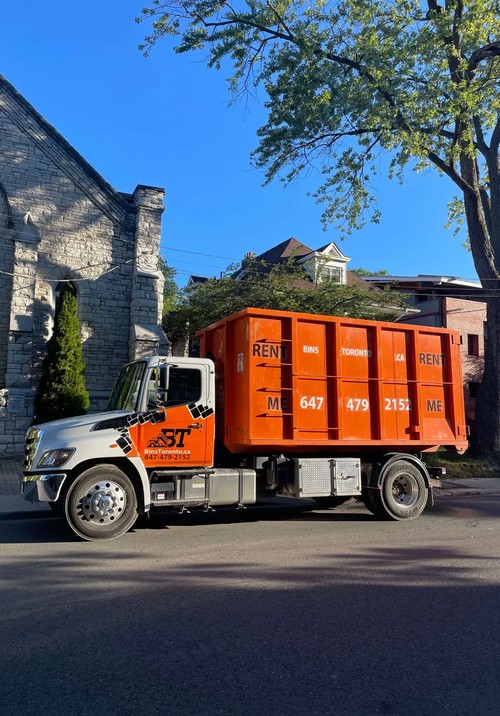
For most residential and small commercial excavation projects in Toronto, a roll-off bin is more practical than a dump truck. Bins sit on-site while you load at your pace – useful when you’re digging over multiple days. They’re also easier to position in tight Toronto laneways and driveways.

Dump trucks make more sense when you have a massive volume (full basement excavations, large grading projects) and need same-day removal with a crew. The cost per load can be lower at high volume, but you’re coordinating truck schedules around your dig pace.

For most contractors moving 1-10 tonnes of soil during a renovation or smaller excavation, a bin is the simpler and more cost-effective choice. Make sure to tell Bins Toronto the soil is clean fill or contaminated – this affects placement, pickup scheduling, and disposal routing.

Frequently Asked Questions

Does all construction soil in Toronto require testing?+

Not every project triggers mandatory testing, but any site with a history of industrial use, fuel storage, or known contamination does. O. Reg. 406/19 sets project-size thresholds that determine whether a Qualified Person and formal Excess Soil Management Plan are required. When unsure, basic sampling is cheap compared to the cost of misclassification.

What happens if contaminated soil ends up at an unapproved site?+

The sender and the receiver can both face enforcement action under the Environmental Protection Act, including orders to remediate the site at their own cost. Fines can run into the tens of thousands, and directors or officers of a company can be personally liable. The contamination doesn’t disappear – it just becomes someone else’s problem until regulators trace it back.

Can I put soil in a Bins Toronto bin?+

Yes, for clean fill soil. Bins Toronto handles Category 1 clean soil on most residential and light commercial projects. If you suspect contamination, let them know before booking – contaminated soil requires specific routing to a licensed receiving facility and the bin provider needs to coordinate accordingly.

How much does soil disposal cost in Toronto?+

Costs vary depending on volume, classification, and destination. Clean fill removal with a bin typically runs between $300-$700 for a standard bin load on a residential project. Contaminated soil disposal is significantly more expensive due to licensed facility tipping fees and transport compliance. Always get a quote that includes disposal fees, not just the bin rental.

What is the Excess Soil Registry in Ontario?+

It’s a provincial online platform where project leaders register soil movement events before transport. It tracks the generating site, the receiving site, volume, and classification. Registration is mandatory for projects over certain thresholds. The system is managed by the Resource Productivity and Recovery Authority (RPRA).

How long do I need to keep soil disposal records?+

O. Reg. 406/19 requires retaining records for a minimum of five years. This includes test reports, manifests, the ESMP if one was required, and any receiving site confirmations. Store these digitally and in a project file – you may need them for permit compliance, property transactions, or regulatory audits.

Can soil be reused on the same site?+

Yes, and this is actually encouraged to reduce trucking. If clean soil is moved within the same property during construction phasing, the excess soil rules are more relaxed. Once soil leaves the property, the full regulatory framework applies. Plan site logistics to maximize on-site reuse before trucking anything out.

Pricing disclaimer: Any prices mentioned in this article (such as bin rental and soil disposal costs) are estimated 2026 market averages for the Toronto area. Actual costs will vary depending on exact soil volume, contamination levels, and disposal facility tipping fees. Please request a formal quote for your specific project.
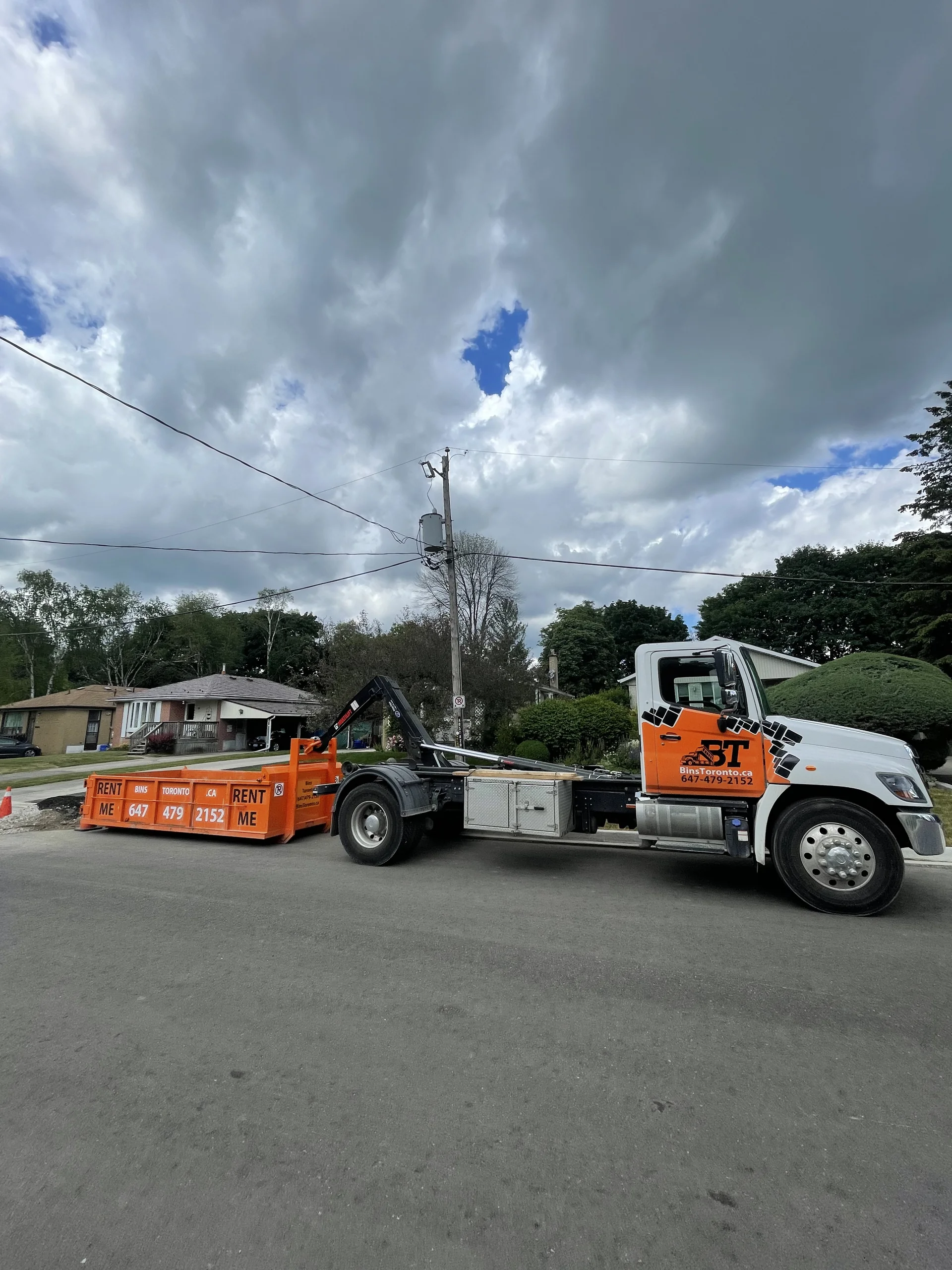
A properly sized roll-off bin simplifies soil logistics on Toronto construction projects.

You might also like

Bin Rental Costs in Toronto: Full Price Guide for 2026

How much does bin rental cost in Toronto? Full 2026 price guide covering all sizes from 4 to 30 yards, weight overage ch…

What Can and Can’t Go in a Toronto Dumpster Rental Bin? Complete 2026 List

A clear 2026 list of what’s allowed and what’s banned from Toronto disposal bins, plus the contamination fee…

How to Choose the Right Dumpster Bin Size for Your Toronto Project (2026 Guide)

Picking the right bin size saves money and avoids overflow fees. Here’s how to size a disposal bin for any Toronto…

Free Download: Contractor’s Soil Disposal Quick Guide 2026 (PDF) – checklist format, printable for site use.

Ready to Book a Bin?

Bins Toronto delivers roll-off bins across Toronto and the GTA – same day or next day in most areas. Soil, concrete, renovation waste, yard debris – we handle it all.

Get a Free Quote

Call or book online – fast delivery, competitive rates.

Mike T.

Written by

Mike T.

Home renovation writer with 12 years covering bin rental and junk removal in the GTA

Mike has spent over a decade writing about home renovation projects in Toronto, with a focus on waste management, bin rental, and responsible debris disposal for GTA homeowners.