How to Properly Dispose of Concrete and Asphalt in the GTA


  • Home
  • Blog
  • How to Properly Dispose of Concrete and Asphalt in the GTA
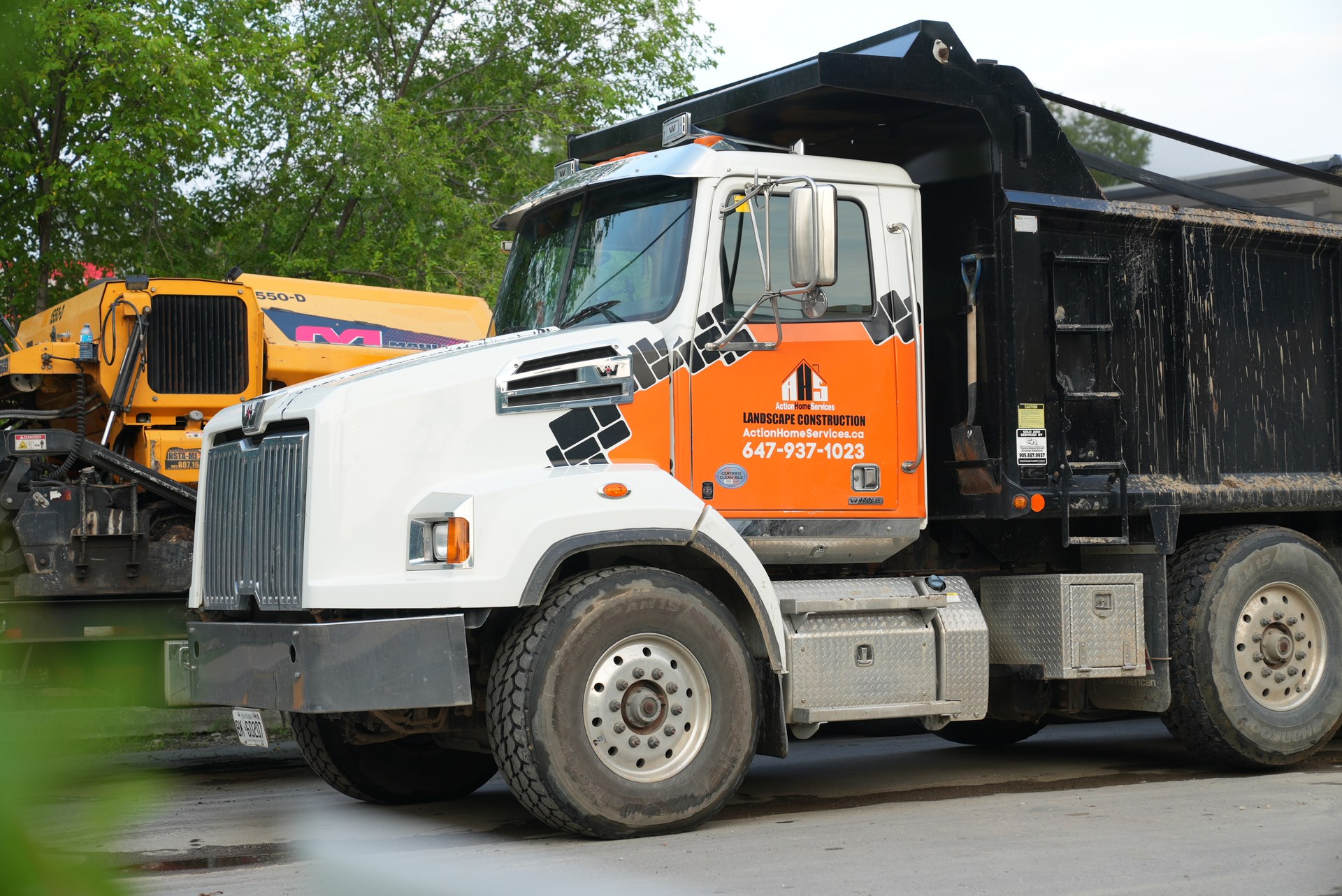
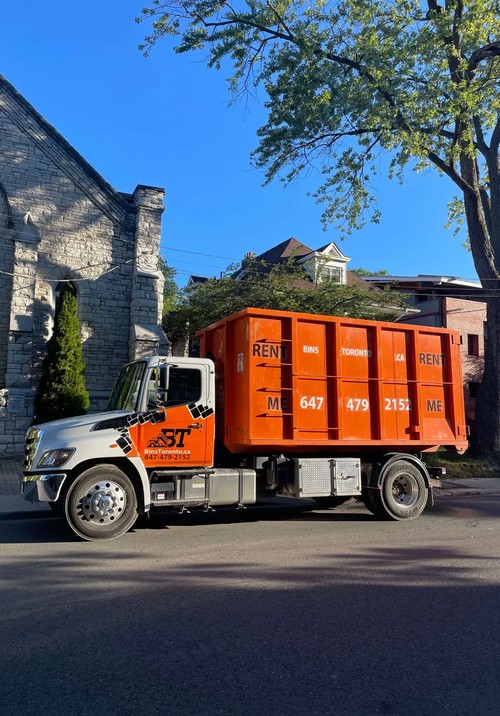
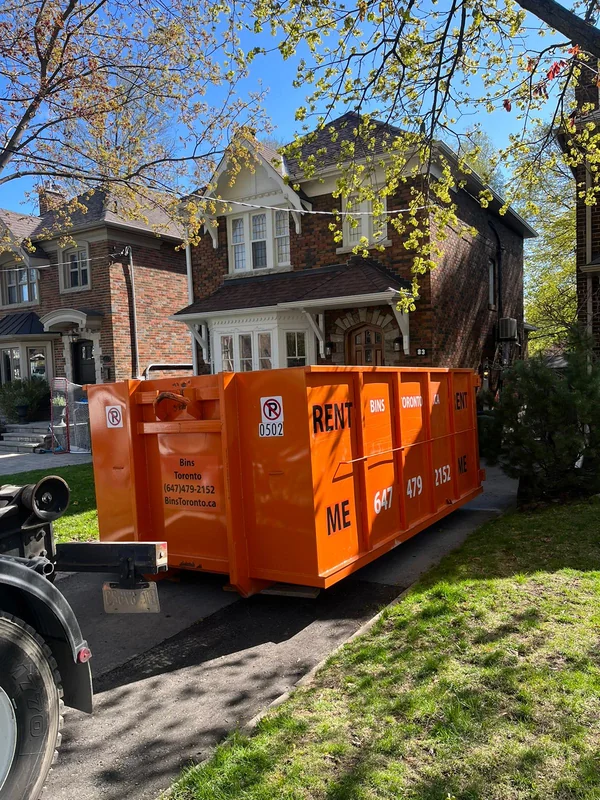
Bins Toronto branded dump truck for concrete and asphalt disposal in the GTA

June 15, 2026

Concrete and asphalt are two of the heaviest and most common waste materials on GTA job sites – and they’re also two of the most frequently mishandled. Toss them in the wrong bin, take them to the wrong facility, or mix them with general debris, and you’re looking at extra charges, rejected loads, or regulatory headaches. This guide covers the practical realities of concrete and asphalt disposal in Toronto and the surrounding region.

Why Concrete and Asphalt Need Separate Handling

Standard municipal waste facilities aren’t equipped to process large volumes of heavy inert materials like concrete slabs, broken asphalt, or rebar-embedded rubble. These materials are dense, require crushing equipment to process, and have specific recycling pathways that differ from general construction waste.

Mixing concrete with wood, drywall, or household garbage is the most common mistake – and it’s one that waste facilities flag immediately. Contaminated loads get charged as general waste (higher tipping fees) or rejected outright. The same bin that takes your drywall and lumber won’t necessarily take your old concrete patio, even if the bin provider offers both services.
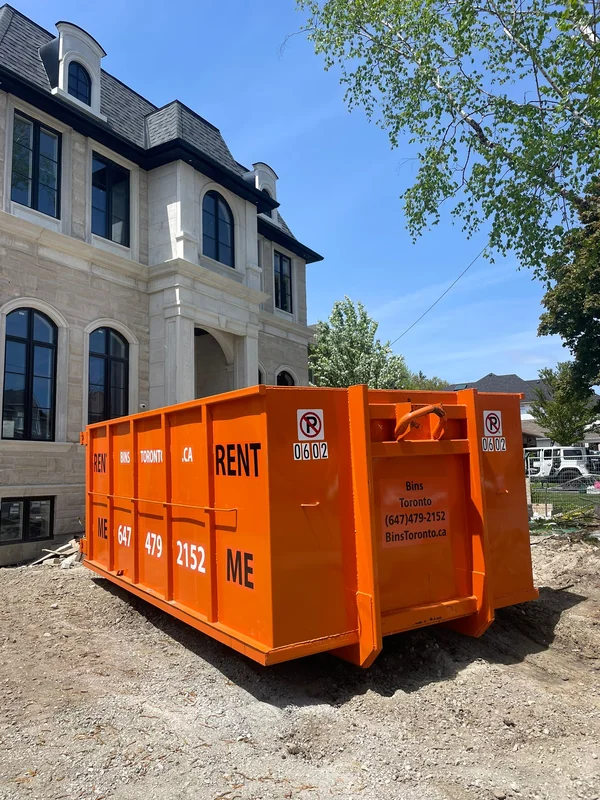
How to Properly Dispose of Concrete and Asphalt in the GTA

Can Concrete Go in a Regular Bin Rental?

It depends on the provider. Many bin rental companies in the GTA do accept clean concrete – meaning broken slabs, footings, sidewalk chunks, and similar material – but there are important conditions:

  • Clean concrete only: No rebar (unless the provider explicitly accepts it), no asphalt mixed in, no soil contamination.
  • Weight limits apply strictly: Concrete is extremely heavy. Most bin providers set a lower fill level for concrete-only loads and charge by the tonne over a base allowance.
  • Dedicated concrete bins: Some providers offer bins designated only for concrete and rubble, priced differently from general renovation bins.

Bins Toronto accepts clean concrete in their bins. When booking, specify the material type so they can route the load to the correct processing facility and price accordingly.

Separating concrete and asphalt from general waste prevents rejected loads and extra tipping fees.

Recycling vs. Landfill: What Happens to Your Concrete

The good news: concrete is almost entirely recyclable. Crushed concrete becomes recycled concrete aggregate (RCA), widely used as:

  • Road base and sub-base material
  • Fill for construction sites
  • Drainage aggregate
  • Landscaping base material

In the GTA, multiple facilities accept and process clean concrete for recycling. When your concrete is properly separated and uncontaminated, the vast majority goes to these facilities rather than landfill. This is both cheaper for disposal and significantly better environmentally – concrete production is carbon-intensive, and recycling the aggregate reduces demand for virgin quarried material.

Asphalt follows a similar path. Reclaimed asphalt pavement (RAP) is a standard input in new asphalt mixes. Clean asphalt grindings and broken asphalt chunks have strong demand from paving contractors.

Asphalt-Specific Rules in the GTA

Asphalt is treated differently from concrete in a few key ways. Older asphalt – particularly material installed before the 1980s – may contain coal tar pitch, which is a carcinogen. Asphalt from post-1990 projects is generally petroleum-based and doesn’t carry this risk, but you can’t always tell by looking at it.

For residential projects (driveway removal, old asphalt patios), the material is almost always modern petroleum-based asphalt and standard disposal or recycling applies. For commercial or industrial sites with unknown asphalt age, basic testing may be warranted before disposal routing.

Never mix asphalt with general waste or with concrete unless your bin provider confirms the receiving facility accepts combined rubble. Asphalt processing facilities prefer clean separated loads.
Clean crushed concrete is recycled into aggregate for road and construction use across the GTA.
How to Properly Dispose of Concrete and Asphalt in the GTA

How Much Concrete Fits in a Bin?

Concrete’s weight is the constraining factor, not volume. A typical 10-yard bin that holds several tonnes of general renovation debris might hit its practical weight limit with only 2-3 yards of solid concrete. Rules of thumb for GTA contractors:

  • Broken slab pieces (4-6 inches thick): A small residential walkway or stoop might be 1-2 tonnes. A full driveway removal can be 5-15+ tonnes depending on size and thickness.
  • Request weight pricing upfront: Always ask what the per-tonne rate is above the base allowance. Concrete overages are where unexpected costs appear.
  • Consider a dedicated rubble bin: For large concrete removal, a heavy-material bin (typically smaller but rated for higher density loads) is more cost-effective than an oversized general bin.

Practical Tips for Contractors and Homeowners

  • Break concrete into manageable chunks before loading – pieces under 12 inches square load easier and are safer
  • Remove rebar where possible; it adds weight and some facilities charge extra to separate it
  • Keep concrete and asphalt loads separate from drywall, wood, and mixed C&D waste
  • Ask Bins Toronto what their tipping fee structure is for heavy materials before the bin goes in the driveway
  • For commercial demolition volumes, get a quote for multi-load disposal to avoid per-load premium pricing
  • Don’t overload – bin weight limits exist for road safety and facility compliance, not just cost

You might also like

Bin Rental Costs in Toronto: Full Price Guide for 2026

How much does bin rental cost in Toronto? Full 2026 price guide covering all sizes from 4 to 30 yards, weight overage ch…

What Can and Can’t Go in a Toronto Dumpster Rental Bin? Complete 2026 List

A clear 2026 list of what’s allowed and what’s banned from Toronto disposal bins, plus the contamination fee…

How to Choose the Right Dumpster Bin Size for Your Toronto Project (2026 Guide)

Picking the right bin size saves money and avoids overflow fees. Here’s how to size a disposal bin for any Toronto…

Free Download: Concrete & Asphalt Disposal Quick Guide 2026 (PDF) – handy reference for job site use.

Ready to Book a Bin?

Bins Toronto delivers roll-off bins across Toronto and the GTA – same day or next day in most areas. Soil, concrete, renovation waste, yard debris – we handle it all.

Get a Free Quote

Call or book online – fast delivery, competitive rates.

Frequently asked questions

Is there a weight limit for concrete in a Bins Toronto bin?+

Yes. Concrete is one of the densest materials you can put in a bin, and weight limits apply strictly. Bins Toronto will give you a base tonne allowance and a per-tonne overage rate. For large concrete removal projects, it’s worth asking about dedicated heavy-material bin options that are priced for high-density loads from the start.

Can I mix concrete with other renovation waste?+

Generally not recommended. Clean concrete loads go to recycling facilities; mixed loads with drywall, wood, or other debris go to general C&D facilities that charge higher tipping fees. You’ll pay more for a mixed load than you would separating the materials. Keep concrete in its own bin or section wherever possible.

What do I do with concrete that has rebar in it?+

Some facilities accept reinforced concrete. Check with Bins Toronto when booking – they’ll let you know if rebar is acceptable and whether there are extra charges. Where practical, cutting rebar flush or removing it during demolition simplifies disposal and often reduces cost.

Does old asphalt need testing before disposal?+

For standard residential projects (driveways installed post-1990), no testing is typically required. If you’re removing asphalt from an older commercial or industrial property and the age is uncertain, basic testing for coal tar content is worth doing before routing to a standard recycling facility.

How long does it take to get a bin for concrete in Toronto?+

Bins Toronto typically offers same-day or next-day delivery across Toronto and the GTA for most projects. For large-volume concrete removal, booking a day ahead helps ensure the right equipment is available. Same-day is usually possible if you call before noon.

What’s the difference between recycled concrete aggregate and virgin aggregate?+

Recycled concrete aggregate (RCA) is crushed concrete that replaces quarried gravel and stone in construction applications. It’s used primarily for road base, drainage, and fill. It’s slightly lower strength than virgin aggregate for structural applications, but for base work and fill it performs equivalently and costs less.

Can I take concrete to a Toronto transfer station myself?+

Yes, the City of Toronto does have transfer stations that accept clean concrete from residents and contractors (with some restrictions on load size and vehicle type). However, tipping fees apply, hours are limited, and you need to transport the material yourself. A bin rental eliminates the need for multiple trips and often works out cheaper once you factor in truck rental and your time.

Mike T.

Written by

Mike T.

Home renovation writer with 12 years covering bin rental and junk removal in the GTA

Mike has spent over a decade writing about home renovation projects in Toronto, with a focus on waste management, bin rental, and responsible debris disposal for GTA homeowners.