
October 08, 2026
Premier Bin rental Service in Toronto and the GTA
Last updated:
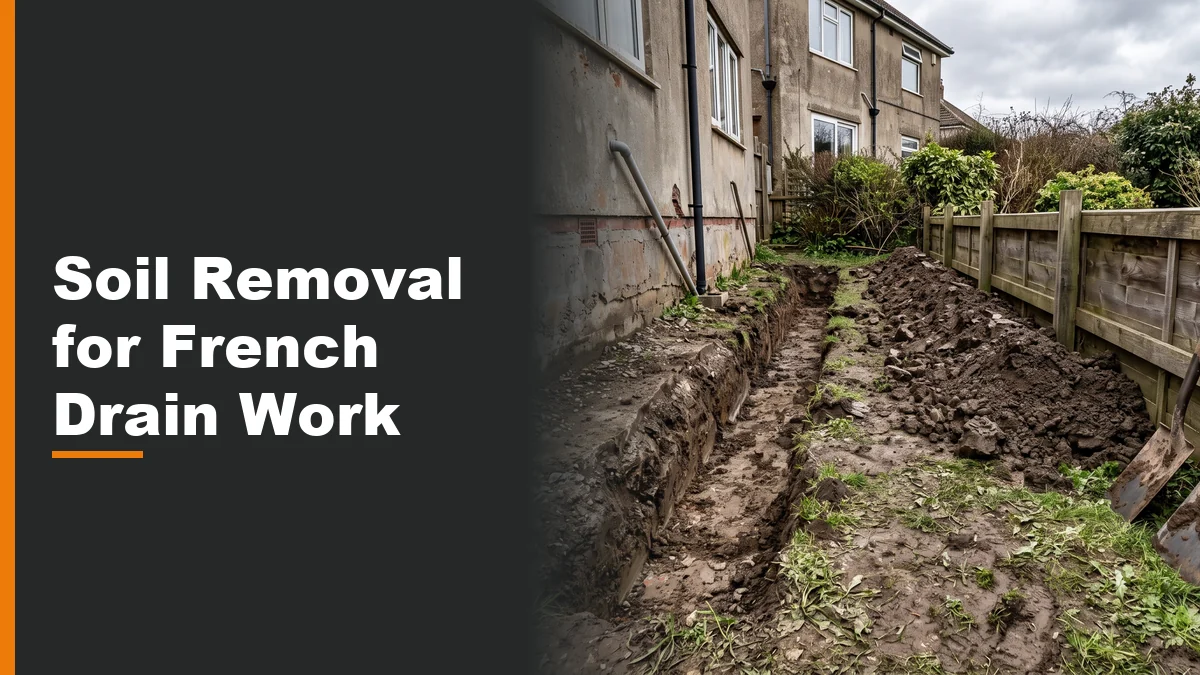
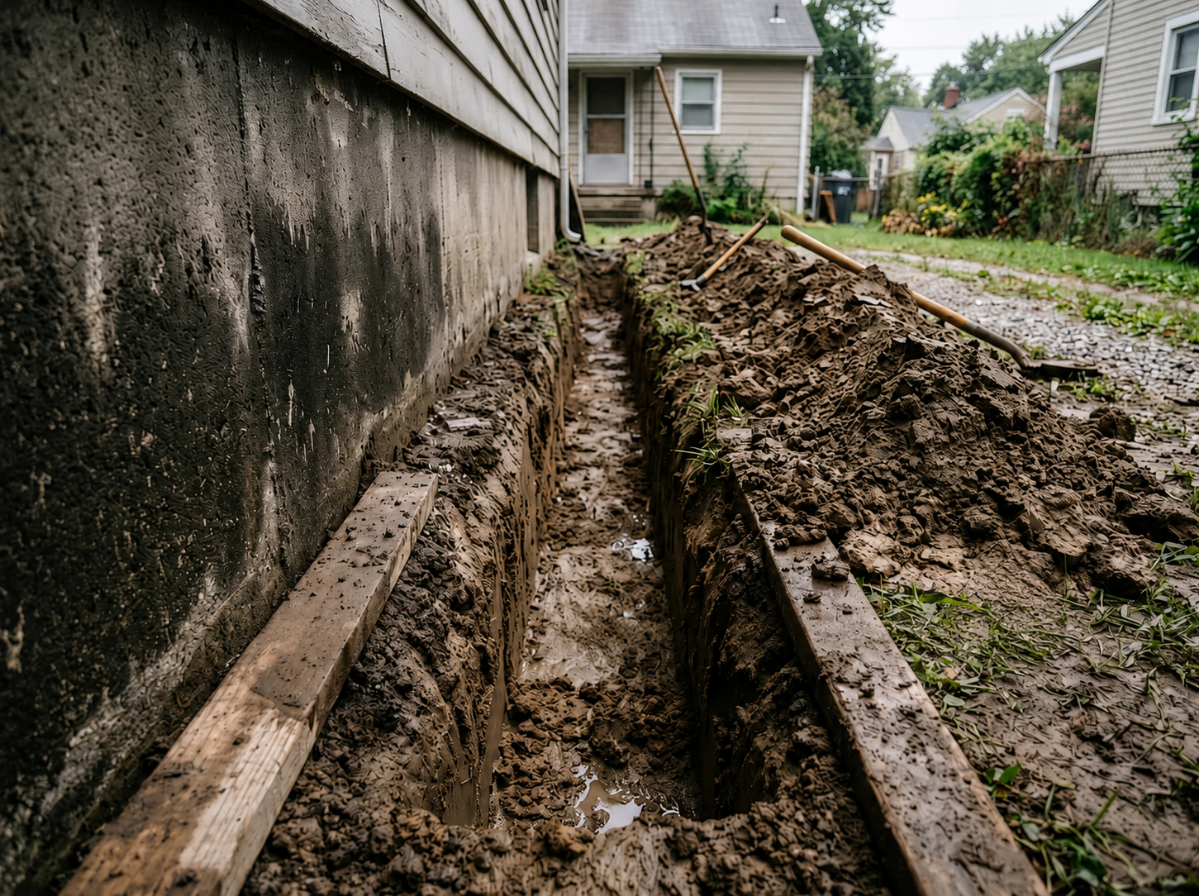
A Scarborough homeowner called us mid-project last spring, already three feet into a trench along the back of her house chasing a drainage problem that flooded her basement every April. The trenching itself was going fine, but what stopped her cold was the growing pile of wet clay and topsoil along the fence line, roughly a cubic yard for every ten feet of trench dug. Proper soil removal for french drain projects is the part of backyard drainage work that people rarely budget time or space for, yet it usually determines whether the job wraps up on schedule.
Managing the excavated dirt efficiently starts with asking the right questions about volume, regulations, and disposal before the first shovel hits the ground.
A typical French drain trench is dug 18 to 24 inches deep and about a foot wide, which sounds manageable until extended across a backyard run. A 45-foot trench along a foundation wall creates an excavated soil pile noticeably larger than the trench itself because compacted soil expands once dug up.
This volume increase, known as the expansion or swell factor, is the most critical calculation when planning soil removal for french drain installations. A trench that looks minor on paper yields a pile that cannot fit in a standard pickup truck bed. Accurately estimating this volume before digging prevents project delays.
Did you know
Loosened soil occupies up to 30% more volume than compacted soil underground. A trench measuring one cubic yard in the ground will produce a significantly larger pile once excavated, which must be factored into your bin rental sizing.
Before excavating any soil along a house or yard boundary, request a utility locate for the entire planned drainage path. Ontario One Call’s homeowner locate page outlines how to request public utility checks. Account for lead times when scheduling your project.
In addition to gas, hydro, and water lines, consider private underground features like irrigation lines, outdoor lighting wire, or secondary cables. Locating these assets early keeps excavation safe and uninterrupted.
Ontario’s excess soil management framework outlines requirements for reusing or disposing of excavated earth. For residential backyard projects, execution comes down to straightforward practical steps: separate soil types as they are dug out, identify contamination risks, and verify acceptance requirements with your disposal provider.
For additional details specific to municipal guidelines, consult our guide to Toronto soil disposal regulations, as facility criteria may vary between local and provincial levels.
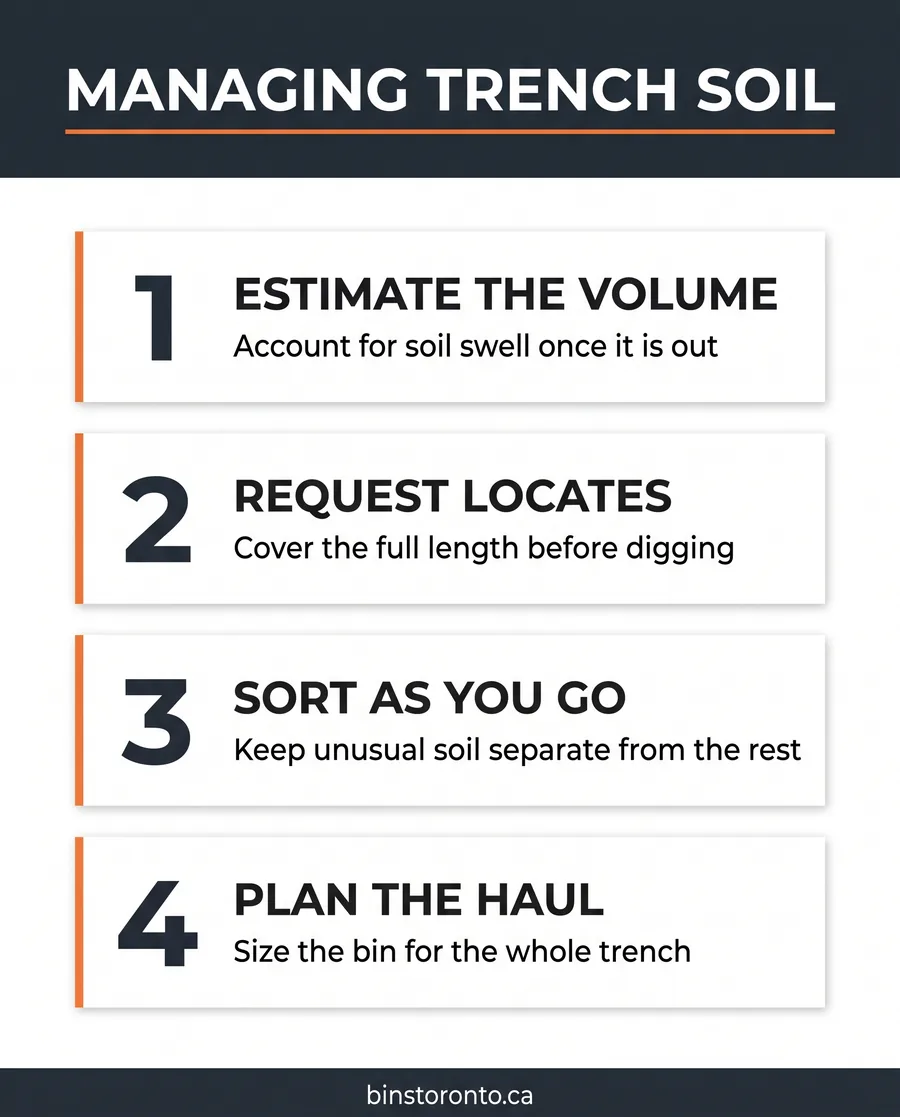
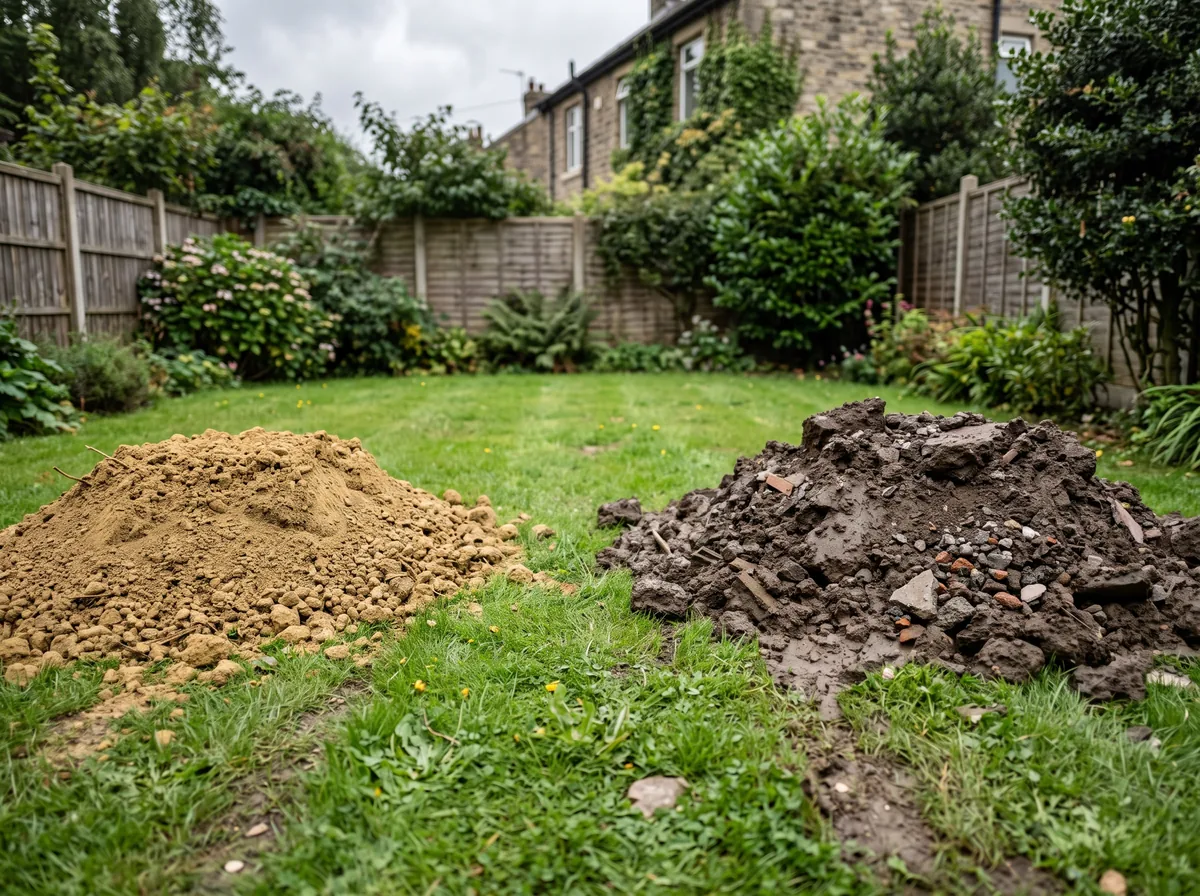
Executing clean soil removal for french drain work requires separating organic topsoil and clay from compromised materials. Soil exhibiting unusual odors or mixed with concrete, asphalt, or old footings must be kept separate from clean earth.
Mixing rubble or contaminated material into clean fill increases disposal costs and limits recycling options. Review our guide on disposing of concrete and asphalt to handle structural debris safely.
Pro tip
Photograph your trench in sections while excavating and note depth changes, soil composition, or debris locations. Having visual documentation simplifies sorting and disposal verification if facility questions arise later.
For a standard 45-foot trench, ordering a disposal bin sized for soil clears the material off site in a single trip. When arranging soil removal for french drain installations, ensure the bin is loaded correctly to prevent weight limit violations caused by dense, wet clay.
If part of the soil will be repurposed elsewhere on the property to fill low spots or garden beds, stage that material separately on a heavy tarp. Clear remaining excess soil out of the workspace before starting pipe installation and gravel backfilling.
Good to know
Regulations regarding excess soil disposal vary by municipality and facility type. Always submit locate requests prior to digging, and confirm accepted materials directly with your disposal provider before staging or hauling excavated dirt.
Download the free quick guide
A printable reference sheet covering trench volume estimation, locate checklists, and soil sorting guidelines.
Depth depends on specific yard drainage goals, local frost line depth, and pipe specifications. When calculating soil removal requirements, measure both trench depth and overall length to determine total yardage.
Yes. Utility lines and buried connections frequently sit higher than expected. Always request locates prior to breaking ground regardless of planned trench depth.
Clean topsoil can often be repurposed to level lawn depressions or top off garden beds. However, soil replaced in the original trench is limited once pipe and gravel bedding are installed.
Keep discolored or contaminated soil separate from clean earth. Materials mixed with concrete, fuel odors, or debris require specific disposal processing.
Calculate total trench cubic yards (Length × Width × Depth) and add 20–30% for soil swell expansion. Selecting a slightly larger bin prevents costly mid-project haul-away delays.
Successful soil removal for french drain installations comes down to advance planning. Account for expansion factors, complete utility locates early, segregate mixed debris, and select an appropriately sized disposal bin to keep your backyard drainage project moving smoothly.
Planning a backyard drainage installation this season? Contact our team to arrange soil bin rental options tailored to your project timeline.